Emergency Mold Removal in Hockessin, DE
Mold removed from wet walls, flooring and framing in your Hockessin property after leaks or flooding. Call 24/7 to start your assessment and contained cleanup.
- Moisture source checked first
- Contained removal and HEPA filtration
- Open 24/7 for calls
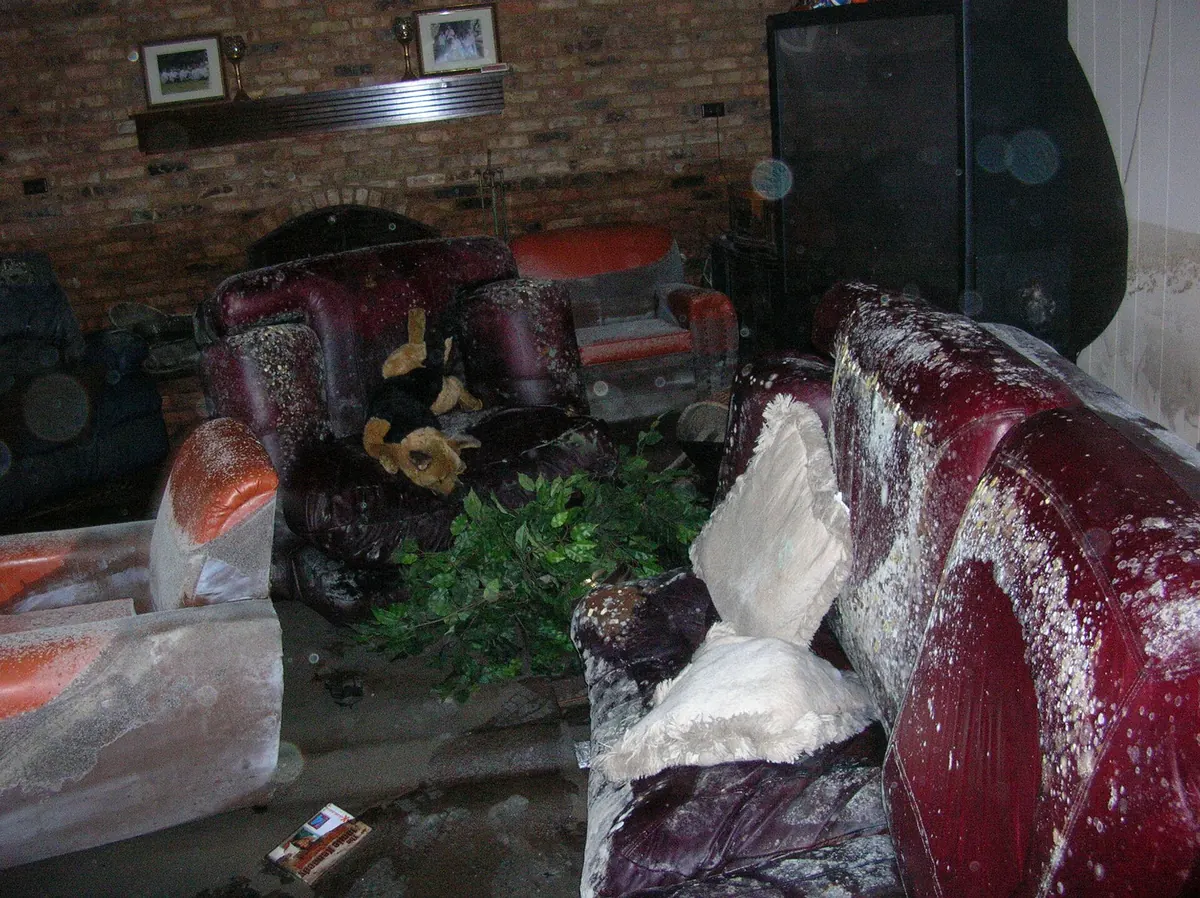
Emergency Mold Removal Services Across Hockessin
Your emergency mold work includes flooring, wall surfaces, framing and ceiling cavities affected by storm damage, flooding or a burst pipe. Removal addresses damaged materials; cleaning treats salvageable surfaces.
Your assessment distinguishes visible growth from ongoing water damage. Removal plans also define urgent water extraction and repairs to the source.
A written scope of work sets containment, drying and separate repairs. In a flooded home, the water source and affected materials determine what can be saved.
- Leak and flood moisture assessment
- Contained wall and floor opening
- Damaged drywall and carpet removal
- Sound framing and surface cleaning
- Drying and final moisture checks

Emergency Mold Removal in Hockessin: Signs to Watch For
Arrange a prompt mold and moisture assessment when you find growth beside wet building materials.
Mold Exposed Behind Wet Flooring
Growth on subflooring or backing may become exposed when flooring buckles.
Growth Beside an Active Leak
A leaking pipe with nearby mold may also have damp material out of sight.
Soft Drywall and Swollen Trim
Damage out of sight can appear as lifted baseboards, paint bubbling and soft wallboard.
Returning Spots After Surface Cleaning
Growth that comes back may signal lingering dampness or damage in material below.
Musty Rooms After Flooding
After water retreats, a lingering smell may signal moisture still trapped inside.
Steps in Emergency Mold Remediation for Greater Philadelphia
Your assessed damage sets the course for mold removal, starting at the first call and ending when containment is removed.
Emergency Assessment
Your call starts with affected rooms and access. Dampness is mapped with a moisture meter; temperature differences appear on a thermal imaging camera, which cannot identify mold.
Emergency Moisture Control and Scope
First comes evaluation of concealed damp layers and leaks. Your scope of work defines source corrections, extraction and removal limits before cleanup starts.
Emergency Containment Setup
Around the affected area, the containment barrier is made from poly sheeting. Protective equipment, negative air pressure and a HEPA air scrubber limit particle spread as the cleanup crew works.
Demolition of Damaged Materials
Within containment, carpet pad, insulation and drywall that cannot be salvaged are taken out. Debris is bagged, and exposed cavities are assessed for additional growth.
Surface Cleaning
Non-porous surfaces and structurally sound framing are cleaned appropriately, with residual dust removed by a HEPA vacuum. Antimicrobial treatment does not replace physical removal.
Controlled Drying
After removal and cleaning, drying equipment such as air movers and a dehumidifier is used. Moisture readings track drying in framing and accessible cavities.
Final Cleaning and Verification
Post-remediation verification and final cleaning assess the areas that received treatment. An independent assessor performs clearance testing when specified; unresolved moisture or growth is addressed before completion.
Containment Removal
After drying, cleaning and the agreed checks, containment is removed. Materials are replaced as your repair scope specifies once the rooms are ready.
Emergency Mold Removal: Why Choose Philadelphia Mold Removal Services
Removal Through Final Checks
Containment stays until damaged porous materials are taken out, sound surfaces have been cleaned and drying has been checked.
Clear Emergency Cleanup Scope
An explanation of your removal area and separate repairs, along with drying work, precedes cleanup.
Contained Work and HEPA Filtration
Your affected rooms determine how the remediation protocol sets dust control and debris routing.
Emergency Moisture Checks First
Your assessment traces active leaks and concealed dampness before the mold remediation steps are set.
Emergency Calls Answered 24/7
Across the metro, one number begins your assessment, including inquiries about weekend service and after-hours service.
Preparing for Emergency Mold Cleanup in New Castle County
While arranging your assessment, avoid disturbing any affected material.
- Avoid damaged rooms. Avoid sagging ceilings and electrical equipment that has become wet.
- Stop water only if safe. Close an accessible water valve without entering a hazardous area.
- Limit access. Children and pets must stay clear of both growth and wet materials.
- Leave walls and flooring intact. Wait for containment before you scrape, sand or begin demolition.
- Avoid spreading particles. Do not aim fans across growth or run suspected contaminated HVAC equipment.
Emergency Mold Removal Cost for Your Hockessin, DE Property
Your moisture damage and access affect the price. Extraction, after-hours charges and rebuilding follow the scope. National cost comparisons do not represent emergency rates.
Typical national range, average $3,500
$1,500 to $9,000 per jobSource: Fixr, Mold Remediation Cost (checked 2026-10-23)Typical range, average $2,300
$1,200 to $3,750 per jobSource: This Old House, Mold Remediation Cost (cost data credited to Angi) (checked 2026-10-23)Areas larger than about 10 square feet: professional rate
For each square foot, $10 to $30Source: Fixr, Mold Remediation Cost (checked 2026-10-23)How Your Emergency Mold Cleanup Cost Can Change
- Drywall removal and debris disposal
- Testing, drying and rebuilding exclusions
- Cost per square foot alongside your area measurements
- Source repairs alongside emergency water extraction
- Access and containment equipment
National Price Ranges to Help You Compare
These published national ranges are planning figures. Your on-site assessment defines the work and price before cleanup starts, including any separate source repairs or rebuilding.
Call (844) 352-3560 about costEmergency Mold Removal Service Area Across Greater Philadelphia
Call (844) 352-3560 to arrange cleanup in Hockessin or nearby communities. One number covers the metro.
Emergency Mold Removal in Locations Near Hockessin
ZIP codes
Common Questions About Emergency Mold Removal in Hockessin
What is the timeline for urgent cleanup?
The volume of damaged material and access conditions, plus drying progress, guide your schedule. Work for one affected room differs from work across several waterlogged floors. The endpoint for drying is determined through moisture readings. Final checks and necessary repairs affect when your rooms can return to normal use.
Will a 24/7 call start work right away in Hockessin?
At any time of day or night, your call is answered to begin assessment arrangements. Scheduling and utility hazards, along with active water and access, determine the start of work. During an initial visit, attention may go to controlling water before removal begins. Calling does not establish when arrival or completion will occur.
When is emergency mold testing needed, before cleanup or after?
Under EPA guidance, visible mold frequently makes air sampling unnecessary. Emergency mold inspection assesses materials and moisture. Removal is followed by checks of drying and cleaning. When specified, clearance testing by an independent assessor precedes removal of containment. You still need moisture correction and cleaning regardless of sampling.
Can you remain at home throughout the cleanup work?
Your ability to occupy the home rests on utilities, shared ventilation, room damage and bathroom and exit access. Removal zones remain off limits while work proceeds. Some properties allow separate living areas to remain in use; others require temporary relocation. Your access is planned ahead of containment installation.
What determines your emergency cleanup cost in New Castle County?
Assessing affected materials and moisture damage comes before setting your price. National comparisons appear in the cost cards rather than a set emergency fee. Extraction and disposal costs, along with after-hours work and containment, can change your total. Only listed items in your scope cover testing, repairs to the source and rebuilding.
Could you see mold again after emergency cleanup?
A recurring leak or lingering moisture can allow mold to come back. Before removal, your assessment tracks down the source. Salvageable surfaces undergo cleaning and drying, while damaged materials are taken out. Completing repairs and maintaining moisture control help prevent a return of conditions that supported growth.
Is the leak or floodwater problem fixed too?
Planning water control precedes removal to ensure the moisture problem is addressed by cleanup. Your scope must list extraction, roof work, plumbing repairs and drainage corrections for those tasks to be included. Cavities undergo drying checks before replacement materials are installed, and separate repairs are identified ahead of work.
After a leak or flood, what needs to be removed?
Mold-damaged drywall, ceiling tiles, carpet pad and insulation may need removal. Accessible hard surfaces and structurally sound framing often allow cleaning and drying. Scope depends on where water came from, how materials have fared and how deeply growth extends. What you can salvage may depend on floodwater contamination despite limited growth in view.
Your Delaware Insurance and Emergency Mold Cleanup
Coverage varies with the moisture source, your deductible and policy exclusions. Your policy may limit mold coverage, and rebuilding or repairs to the source may be covered differently.
Risks to Consider for Emergency Mold Cleanup Across Greater Philadelphia
Containment and restricted entry reduce disturbance as your wet, mold-damaged rooms are cleaned.
Hidden Damp Layers
A dry surface cannot confirm that concealed insulation or framing is dry.
Emergency Drying Priorities
Dry your water-damaged areas and items within 24 to 48 hours to help prevent mold growth, as EPA advises.
Occupant Precautions
Access to cleanup areas remains restricted during material disturbance and removal.
Contaminated Water
EPA recommends experienced professional assistance when water damage involves sewage or contaminated water.
Cleanup scope: According to EPA, you can often clean areas smaller than about 10 square feet yourself. Larger areas, HVAC growth or contaminated water call for professional help.
Materials Cleaned or Removed After Emergency Damage in New Castle County
Sound surfaces are cleaned where possible; unsalvageable porous materials are removed.
Non-porous surfaces
- Accessible metal and glass, along with tile, receive cleaning and drying.
Walls and floors
- You may need to discard damaged carpet pad, insulation, drywall, ceiling tiles.
Framing and belongings
- Wood that remains sound may be dried and cleaned, while affected furnishings need individual assessment.
Understanding Emergency Mold Cleanup Timing in New Castle County
Access and final checks affect your timeline, as do removal and drying.
- Access and source control: Utility hazards and continuing water entry can delay room access.
- Drying progress: Drying duration depends on hidden layers and repeated moisture readings.
- Completion: When you can use your rooms again depends on verification and required repairs.
Odor After Emergency Cleanup in Hockessin
Check for moisture when a musty smell stays in your rooms. Fragrance cannot resolve the source or confirm indoor air quality.
EPA recommends indoor relative humidity below 60 percent, ideally 30 to 50 percent. Drying equipment does not replace leak repair.
Your Delaware Emergency Mold Cleanup Requirements
Emergency Work Requirements
Delaware does not appear to have a statewide mold remediation license, since the Division of Professional Regulation lists no mold board. Ask any contractor about their mold training and check local contractor rules.
Repair Permits
Included plumbing, structural or electrical tasks determine which permits are required.
EPA Guidelines and Sampling
Indoor mold levels have no federally established limit. Building safety cannot be established solely through samples.
State Mold Information
Your state or local health, housing, or environmental agency can explain rules that apply to the property.
State guidance: Delaware Code Title 25, Chapter 53 (landlord obligations, Section 5305); Delaware Division of Professional Regulation, boards list
Related Services and Next Steps
Start Your Emergency Mold Removal in Hockessin
Call 24/7 to arrange your assessment. Your cleanup starts with the affected surfaces, moisture source and access to your home.